

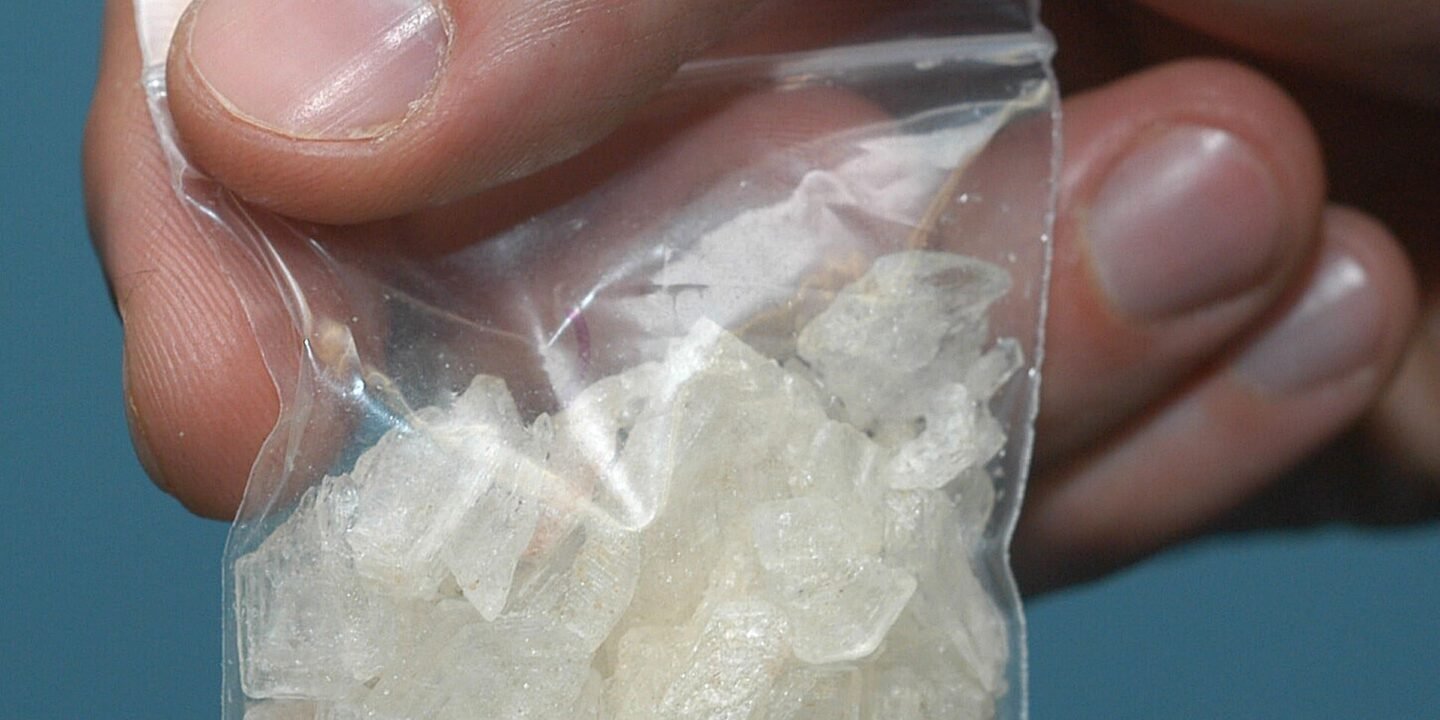
Crystal Meth in Winnipeg: Manitoba’s High-Meth-Use Market
Methamphetamine poses a severe drug threat. While specific wastewater data for Winnipeg was not provided in the survey, the city is geographically positioned in a region (the prairies) often associated with high methamphetamine prevalence and drug-related crime.
Regional Usage and Sourcing
- Usage Context: Methamphetamine use is a significant issue in the prairie provinces, with high rates of abuse and associated social harms.
- Sourcing: The drug is produced in clandestine labs operated by organized crime, with some methamphetamine produced in Canada intended for international markets, but also supplying growing domestic demand.
- Co-Use Threat: The combination of meth with high-risk opioids is a major public health concern across Western Canada.
Severe Health and Social Consequences
Methamphetamine abuse creates severe harms, including a high risk of contracting infectious diseases.
- Physical Harms: Meth use can cause heart attack, stroke, and sudden cardiac death, even in young users. Overdose symptoms include psychosis, rapid heart rate, and liver/kidney failure.
- Psychological Harms: Users may experience psychosis, paranoia, violent behavior, and permanent brain damage.
- Community Impact: Increased crime, including assault and property offenses, is associated with the erratic, aggressive, and paranoid state of methamphetamine users.
Legality and Penalties in Canada
Methamphetamine is classified as a Schedule I controlled substance under the federal Controlled Drugs and Substances Act (CDSA).
- Personal Possession (Indictable): Maximum penalty is **seven years imprisonment**.
- Trafficking/Production (Indictable): Maximum penalty is **life imprisonment**.
- First Offense (Summary Conviction): May result in a fine up to $$1,000$ or imprisonment up to six months, or both.


Recent Post


Featured Posts


No Comments