

Crystal Meth in Saskatoon: Saskatchewan’s Stimulant Hotspot
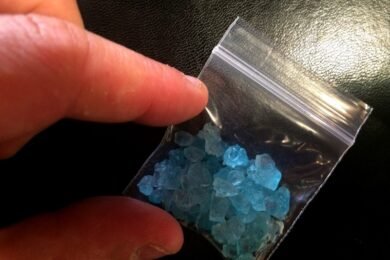
Methamphetamine poses a severe drug threat in Saskatoon. The city is situated in a western region where **methamphetamine/crystal meth** is the dominant stimulant reported by over 70% of participants accessing treatment or harm reduction services. Saskatchewan has also been an identified location for meth production labs.
Regional Usage and Sourcing
- Usage Context: Saskatoon and other western regions report very high rates of crystal meth use and detection.
- Sourcing: The drug is produced in clandestine labs operated by organized crime, with Asian DTOs and OMGs active in meth production across the country. One meth lab was dismantled in Saskatchewan in a recent period.
- Co-Use Threat: Co-use of meth with **fentanyl** is a major problem in western regions, increasing the risk of overdose.
Severe Health and Social Consequences
Methamphetamine abuse creates severe harms, including a high risk of contracting infectious diseases.
- Physical Harms: Meth use can cause heart attack, stroke, and sudden cardiac death, even in young users. Overdose symptoms include psychosis, rapid heart rate, and liver/kidney failure.
- Psychological Harms: Users may experience psychosis, paranoia, violent behavior, and permanent brain damage.
- Community Impact: Increased crime, including assault and property offenses, is associated with the erratic, aggressive, and paranoid state of methamphetamine users.
Legality and Penalties in Canada
Methamphetamine is classified as a Schedule I controlled substance under the federal Controlled Drugs and Substances Act (CDSA).
- Personal Possession (Indictable): Maximum penalty is **seven years imprisonment**.
- Trafficking/Production (Indictable): Maximum penalty is **life imprisonment**.
- First Offense (Summary Conviction): May result in a fine up to $$1,000$ or imprisonment up to six months, or both.


Recent Post

Featured Posts


No Comments