

Crystal Meth in Manama: Persian Gulf Drug Trends and Enforcement
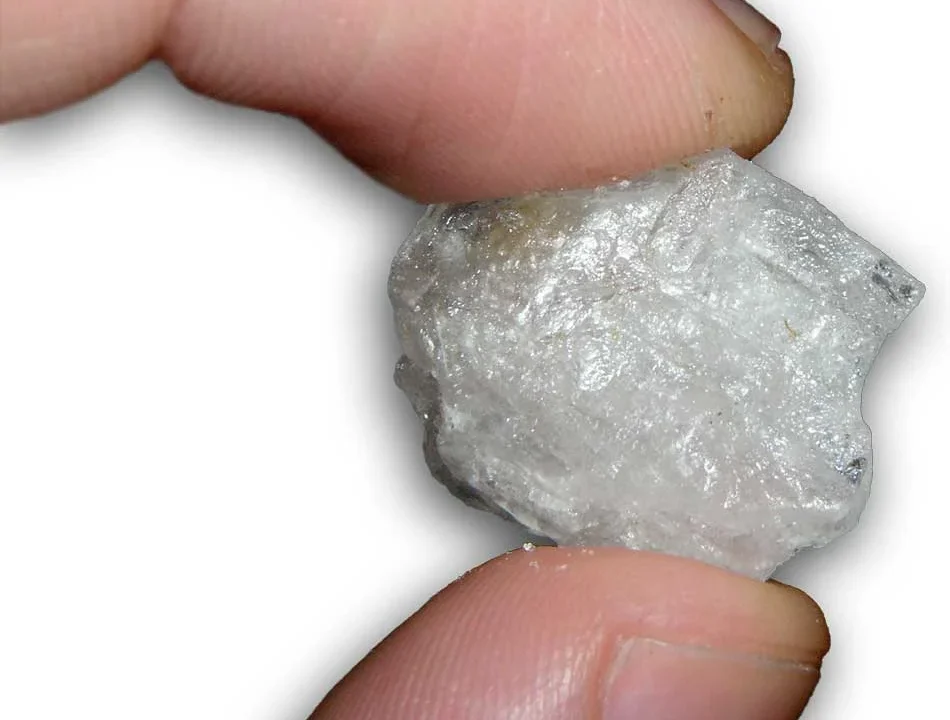
Methamphetamine remains a drug with the potential to cause significant harm. Manama, the capital of Bahrain, is situated in the Persian Gulf, a region facing a notable spike in crystal methamphetamine consignments, often referred to as **”shabo” or “shisheh”**. This signifies a new challenge for local law enforcement and public health systems.
Regional Usage and Sourcing
The Middle East region faces a growing threat from synthetic stimulants, most prominently Captagon, but with a significant rise in crystal methamphetamine.
- Middle East Context: Methamphetamine seizures are steadily on the rise, with the drug commonly originating from **Iran and Afghanistan**, often leveraging established trafficking routes.
- Sourcing: The majority of methamphetamines in circulation in the region originate from Iran and Afghanistan, with some flows coming from South Asia’s Golden Triangle, flowing into busy commercial ports in the Arab Gulf.
- Forms of Methamphetamine: Crystal methamphetamine is commonly referred to by the local street names **”shabo” or “shisheh”** in this region.
Severe Health and Social Consequences
The harms associated with methamphetamine use are universal and pose a severe public health threat in any community, including Manama.
Physical Effects
- Cardiovascular Damage: Methamphetamine use immediately increases heart rate and blood pressure. Long-term abuse can lead to severe health problems like stroke, heart attack, and heart failure.
- Toxicity and Overdose: Use can cause fatal or non-fatal overdose (“overamping”), seizures, and a rapid, dangerous increase in body temperature (hyperthermia).
- “Meth Mouth”: Chronic use often results in severe tooth decay and loss. This is caused by a combination of drug-induced dry mouth (xerostomia), teeth grinding (bruxism), and poor hygiene.
- Infections: Injecting methamphetamine significantly increases the risk of acquiring and transmitting blood-borne viruses like **HIV and viral hepatitis**. It can also lead to bacterial infections, such as endocarditis (a heart infection).
Psychological Effects
- Psychosis and Paranoia: Long-term use is strongly linked to psychotic symptoms, including paranoia, visual and auditory hallucinations, and fixed, false delusions. A common delusion is the sensation of insects creeping under the skin (*formication*).
- Violent Behavior: Chronic users may exhibit aggressive and violent behavior due to agitation, paranoia, and severe mood swings.
- Cognitive Decline: Long-term abuse causes brain changes, resulting in deficits in memory, attention, problem-solving, and verbal learning.
Social and Community Impact
- Addiction: Methamphetamine has a high potential for abuse and dependence, leading to compulsive drug-seeking behavior.
- Community Harm: Methamphetamine use threatens whole communities, contributing to new waves of crime, unemployment, and child neglect or abuse.
- Economic Strain: The drug poses significant challenges to healthcare professionals and places a substantial burden on law enforcement and the legal system.
Legality and Penalties in Bahrain
Bahrain maintains a strict legal framework for high-risk narcotics like methamphetamine.
- Personal Use and Possession: Possession and use are strictly controlled. Penalties for use are punitive, with potential for mandated treatment as an alternative measure in some cases.
- Trafficking: The production and distribution of methamphetamine are treated as strictly criminal offenses, often carrying severe prison sentences to deter the supply of dangerous narcotics.


Recent Post

Featured Posts





No Comments