
Crystal Meth in Brisbane: Queensland’s East Coast Distribution Hub
Methamphetamine (commonly referred to as ‘Ice’) poses a severe drug threat throughout Queensland. Brisbane, as the major population and transport hub, is a key distribution centre for illicit drugs entering Australia’s East Coast. Queensland has been identified as a state with notably high levels of methamphetamine consumption, reinforcing the national crisis of high use rates. Drug consumption in regional areas of Queensland is often reported to be higher per capita than in the capital cities, demonstrating the deep penetration of the market outside the metropolitan centre. The city remains a critical target for Transnational Criminal Organizations (TCOs) due to the vast profits available.
Regional Usage and Sourcing
- National Context: Australia’s wastewater monitoring consistently reports some of the highest methamphetamine consumption per capita globally. Queensland is consistently identified as a high-use state for ice.
- Sourcing and Trafficking: Methamphetamine is imported via sea cargo and mail, primarily originating from China, Hong Kong, and increasingly, Canada. TCOs target Brisbane and the wider Queensland market due to the high profits.
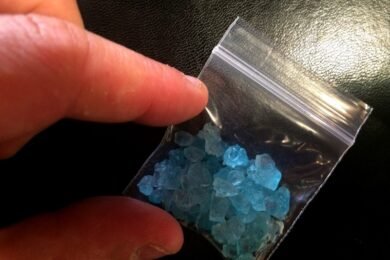
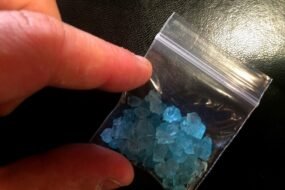
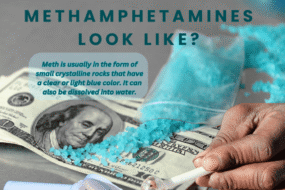
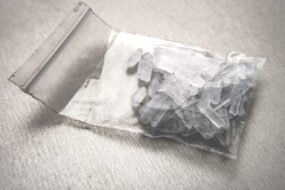
- Forms: Crystal methamphetamine (‘Ice’) is the most popular form, especially among regular users. Smoking is the most common route of administration, which increases harm.
Severe Health and Social Consequences
The use of high-purity crystal meth is strongly associated with severe chronic and acute health problems, impacting individuals, families, and communities, and incurring significant societal costs.
Physical Effects
- Cardiovascular Damage: Methamphetamine is associated with life-threatening conditions including stroke, heart attack, hypertensive crises, and heart failure (cardiomyopathies). Deaths involving psychostimulants have risen four-fold in Australia since 2000.
- Systemic Toxicity: Regular and long-term use places people at greater risk of serious medical problems including seizures, kidney and liver failure.
- Dental and Infections: Users frequently suffer from severe weight loss, poor nutrition, and debilitating dental problems (“meth mouth”). Injecting meth significantly increases the risk of blood-borne viruses like Hepatitis C and HIV.
Psychological Effects
- Psychosis and Paranoia: Long-term use causes severe functional and structural changes in the brain’s dopamine system, leading to impaired verbal learning and memory. Users frequently experience severe psychological distress and methamphetamine-induced psychosis, often characterized by severe paranoid delusions and aggression.
- Cognitive Impairment: Users may suffer from reduced motor speed and significant deficits in memory, attention, and verbal learning.
- Chronic Distress: Many dependent users experience high levels of anxiety, confusion, insomnia, and mood disturbances.
Social and Community Impact
- Criminal Justice Burden: The criminal justice system accounts for the largest single cost domain of methamphetamine in Australia. Use is associated with acquisitive and violent offending, increasing the strain on police and courts.
- Societal Costs: The drug incurs massive costs in healthcare (hospital admissions, treatment for blood-borne diseases), lost productivity (absenteeism), and child maltreatment.
- Treatment Access: Methamphetamine accounts for over 80% of amphetamine treatment episodes in Australian AOD services. Stigma and discrimination are significant barriers to users seeking help.
Legality and Penalties in Australia (Queensland)
Methamphetamine is classified as a Schedule 8 controlled drug in Australia. The legal framework operates under the state-based Drugs Misuse Act 1986 (QLD) and federal law for importation.
- Possession Penalties (State): Simple possession carries a maximum penalty of 2 years imprisonment.
- Trafficking/Commercial Quantity (State): Offences involving trafficking are subject to maximum penalties ranging up to 25 years imprisonment.
- Federal Importation: Importing a commercial quantity of methamphetamine (a border controlled drug) carries a maximum penalty of life imprisonment and a fine of $$750,000$.


Recent Post

Featured Posts
No Comments