
Crystal Meth in Baltimore: Mid-Atlantic’s Opioid-Meth Threat
Methamphetamine remains a potent drug threat. Baltimore is situated on the East Coast, where meth use is historically lower, but faces the rising threat of drug abuse intertwined with the **severe opioid overdose crisis** prevalent in the Mid-Atlantic region.
Regional Usage and Sourcing
- US Context: Treatment admissions for methamphetamine are dramatically **lower East of the Mississippi River** (less than 1%).
- Sourcing: High-purity crystal meth is predominantly manufactured by **Mexican DTOs** in Mexico and Southern California and distributed across the country.
- Co-Use Threat: Opioid involvement in psychostimulant-involved overdose deaths is a significant and increasing concern, driving higher mortality rates in the East.
Severe Health and Social Consequences
The harms associated with methamphetamine use are universally severe and often linked with the opioid crisis.
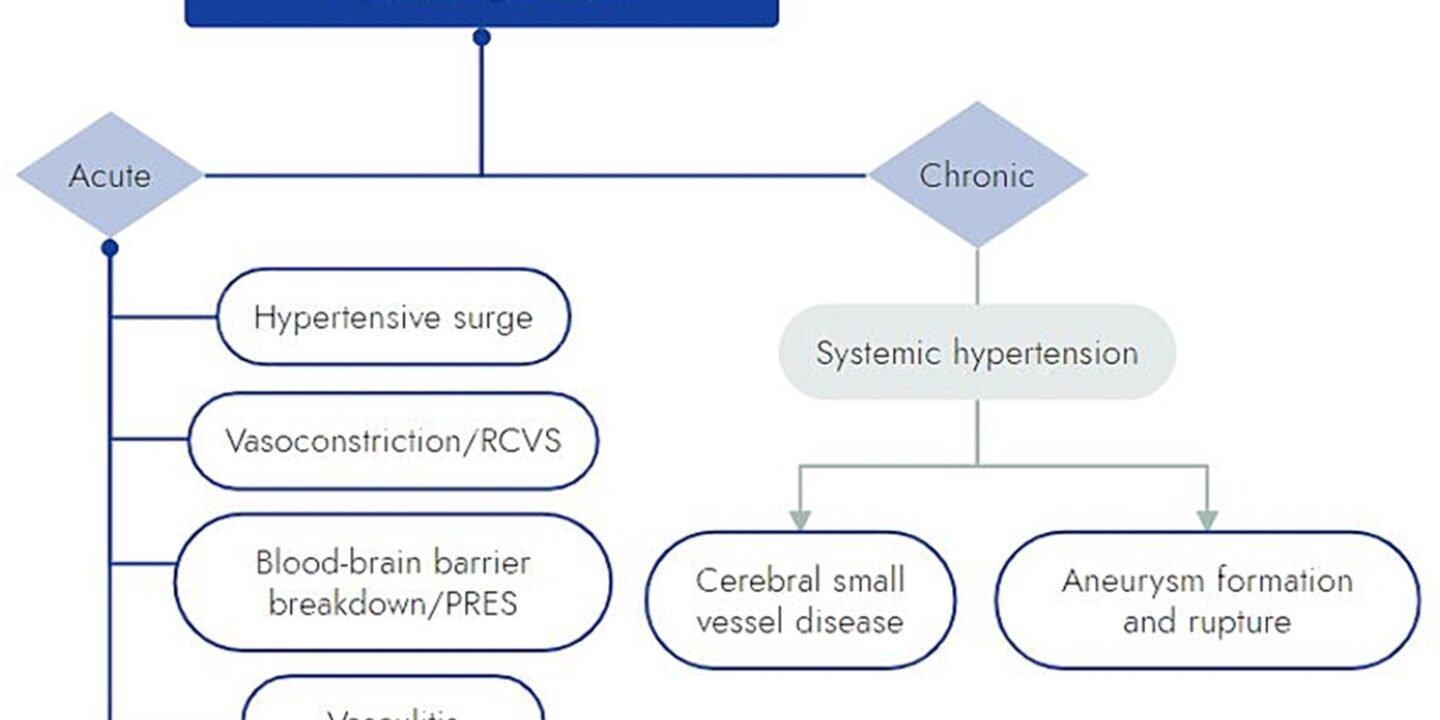
- Cardiovascular Damage: Use immediately increases heart rate and blood pressure, potentially leading to stroke, heart attack, and heart failure.
- Psychosis and Paranoia: Long-term use is linked to severe psychotic symptoms, including paranoia and hallucinations.
- Infections: Injecting methamphetamine significantly increases the risk of acquiring and transmitting blood-borne viruses like **HIV and viral hepatitis**.
Legality and Penalties in Maryland (Federal)
Methamphetamine is classified as a Schedule II controlled substance under the U.S. Controlled Substances Act.
- Classification: Methamphetamine is a **Schedule II** stimulant with a high potential for abuse.
- Trafficking Penalties: Federal trafficking penalties are severe and quantity-based, ranging from **5 to 40 years** for a first offense involving 50 grams of pure meth or 500 grams of mixture, escalating to mandatory life imprisonment for repeat offenders with large quantities resulting in death or serious injury.


Recent Post

Featured Posts


No Comments