

Crystal Meth in Moscow: Central Russia and the Heroin Generation
Methamphetamine remains a drug with the potential to cause significant harm. Moscow’s drug market is historically dominated by opiate use (heroin from Afghanistan) and an associated HIV epidemic, giving it a high drug-related mortality rate. While amphetamines are present, they are not the primary focus of the city’s severe drug crisis.
Regional Usage and Sourcing
Methamphetamine use is documented to be generally low in Europe, but is concentrated in certain Eastern and Central countries, as well as high-risk groups in major cities.
- Russian Context: The overwhelming drug problem in Russia is rooted in heroin, with Russia being the world’s largest heroin consumer, flowing from Afghanistan through Central Asia.
- Stimulant Use: Studies of young drug users in St. Petersburg indicate that amphetamine and other stimulants were common (70%) in the younger cohort, suggesting a potential shift in drug choice.
- Sourcing: The drug trade is facilitated by newly opened and poorly controlled borders with Central Asian states, which has severe implications beyond the social costs of addiction.
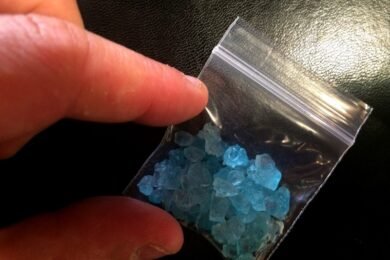
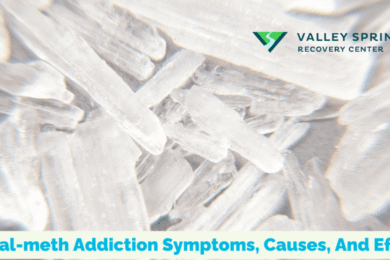
- Forms of Methamphetamine: Methamphetamine is available in powder form (often mixed with other ingredients like lactose) and highly pure crystalline form (“ice” or “crystal meth”).
Severe Health and Social Consequences
The harms associated with methamphetamine use are universal and pose a severe public health threat in any community, including Moscow.
Physical Effects
- Cardiovascular Damage: Methamphetamine use immediately increases heart rate and blood pressure. Long-term abuse can lead to severe health problems like stroke, heart attack, and heart failure.
- Toxicity and Overdose: Use can cause fatal or non-fatal overdose (“overamping”), seizures, and a rapid, dangerous increase in body temperature (hyperthermia).
- “Meth Mouth”: Chronic use often results in severe tooth decay and loss. This is caused by a combination of drug-induced dry mouth (xerostomia), teeth grinding (bruxism), and poor hygiene.
- Infections: Injecting methamphetamine significantly increases the risk of acquiring and transmitting blood-borne viruses like **HIV and viral hepatitis**. It can also lead to bacterial infections, such as endocarditis (a heart infection).
Psychological Effects
- Psychosis and Paranoia: Long-term use is strongly linked to psychotic symptoms, including paranoia, visual and auditory hallucinations, and fixed, false delusions. A common delusion is the sensation of insects creeping under the skin (*formication*).
- Violent Behavior: Chronic users may exhibit aggressive and violent behavior due to agitation, paranoia, and severe mood swings.
- Cognitive Decline: Long-term abuse causes brain changes, resulting in deficits in memory, attention, problem-solving, and verbal learning.
Social and Community Impact
- Addiction: Methamphetamine has a high potential for abuse and dependence, leading to compulsive drug-seeking behavior.
- Community Harm: Methamphetamine use threatens whole communities, contributing to new waves of crime, unemployment, and child neglect or abuse.
- Health Crisis: Russia’s severe drug crisis has led to one of the world’s highest drug-related mortality rates (10.2 per 100,000 persons) and an exploding HIV epidemic.
Legality and Penalties in Russia
Russia maintains an extremely punitive legal framework, with high rates of stigmatization and a restrictive approach to treatment.
- Personal Use: Possession and use of methamphetamine are treated as serious offenses, contributing to high rates of imprisonment.
- Treatment Barrier: The prohibition of harm reduction efforts and opioid substitution therapy (OST) remains a major barrier to effective addiction treatment in Moscow and other Russian cities.
- Trafficking: The production and distribution of methamphetamine are treated as strictly criminal offenses, often carrying long prison sentences to deter supply.


Recent Post


Featured Posts



No Comments